- Home

Since
0
Our services
It’s not about brand, it’s about style.
COLORZ FAB WORLD – Various kinds of apparel are worn by men and women worldwide. Some most commonly worn outfits include shirts, dresses, coats, pants, and so on. The garment goes through a rigorous process before it takes the shape of a proper outfit.
Happy Customer
0
+
Experts
0
+
Review Customer
0
+
Our Services
We have inhouse Team of Experienced Tailoring operators, Pattern makers, Graphic designers, Management executives, and logistical staff, all work with a singular mindset of ensuring client satisfaction
Request A Quote
Request A Quote
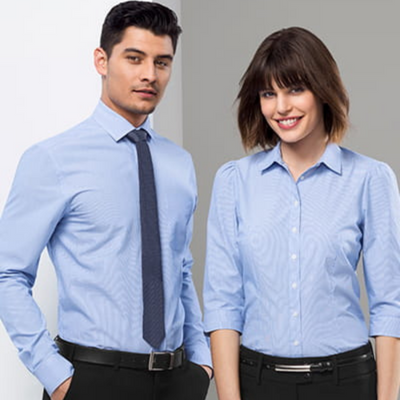
Staff uniform manufacturing involves the design, production, and distribution of uniforms for employees across various industries. The primary goal is to create functional, comfortable, and professional attire that reflects the company’s brand identity while ensuring the comfort and safety of staff.
Key steps in staff uniform manufacturing include:
Design and Fabric Selection: Uniforms are tailored to meet both the functional needs and aesthetic preferences of the organization. Fabrics must be durable, comfortable, and suitable for the job (e.g., breathable fabrics for hospitality, or protective materials for industrial work).
Customization: Uniforms often feature logos, names, or job titles, making them unique to the company or role.
Sizing and Fit: A variety of sizes and fittings are offered to ensure the uniform fits properly and is comfortable for all employees.
Production: The uniforms are manufactured in bulk, utilizing efficient processes to maintain high quality and cost-effectiveness.
Distribution: Uniforms are distributed to employees on schedule, with proper care instructions for longevity.

Request A Quote
Request A Quote
Request A Quote
School uniform manufacturing involves the production of standardized clothing worn by students, designed to create a sense of equality, discipline, and school identity. These uniforms are made to be comfortable, practical, and durable while aligning with the institution’s values and branding.
Key aspects of school uniform manufacturing include:
Fabric Selection: The fabrics used for school uniforms must be durable, breathable, and easy to maintain. Common materials include cotton, polyester, and wool blends, ensuring that the uniforms are comfortable for daily wear and can withstand frequent washing.
Design and Style: School uniforms come in various styles, from traditional blazers and skirts to more casual polo shirts and trousers, depending on the school’s culture. The design often includes the school logo, colors, and specific patterns (such as plaid for skirts), ensuring a cohesive and recognizable look.
Sizing and Fit: School uniforms are available in a wide range of sizes to accommodate students of different ages and body types. Proper sizing ensures comfort and allows students to move freely throughout the day.
Durability and Comfort: Given the active lifestyle of students, school uniforms must be durable enough to withstand daily use, including physical activities, while offering comfort for long hours of wear. Fabrics that are wrinkle-resistant and easy to care for are preferred.
Customization and Branding: Many schools choose to add embroidered logos, crests, or badges to uniforms, which reinforce school spirit and pride. Customization may also include the addition of student names or class identifiers.
Regulations and Standards: School uniforms are manufactured in compliance with school guidelines, ensuring consistency and adherence to dress codes. This can include requirements for modesty, color schemes, and specific uniform components like ties, shoes, or hats.
Request A Quote
Request A Quote
Request A Quote
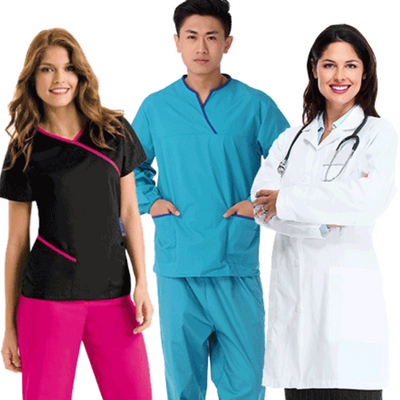
Hospital uniform manufacturing involves producing specialized clothing for healthcare workers, ensuring both functionality and hygiene in a medical environment. These uniforms are designed to provide comfort, ease of movement, and safety while maintaining a professional appearance.
Key aspects of hospital uniform manufacturing include:
Fabric Selection: Hospital uniforms are typically made from durable, breathable, and easy-to-clean fabrics such as cotton, polyester, or antimicrobial blends. These fabrics are chosen to withstand frequent washing and maintain hygiene standards, as well as to prevent the spread of infections.
Design and Functionality: Uniforms are designed to be practical, with features such as pockets for carrying medical tools, adjustable fits for comfort, and easy-to-wear styles (such as scrubs and lab coats). The design also ensures that the uniforms are functional for various hospital roles, such as doctors, nurses, and support staff.
Hygiene and Safety: Hygiene is a critical aspect of hospital uniforms, which are often treated with antimicrobial coatings to reduce the growth of bacteria. Additionally, uniforms for specific departments, such as operating rooms, may require specialized materials like fluid-resistant fabrics for extra protection.
Comfort and Fit: Since healthcare professionals work long hours, hospital uniforms are designed for comfort. Fabrics that are soft, lightweight, and moisture-wicking help keep workers comfortable throughout their shifts. Proper fit is also important to allow ease of movement during patient care.
Durability and Maintenance: Hospital uniforms must be durable enough to handle the rigors of a medical environment. They are made to withstand heavy use, frequent washing at high temperatures, and maintaining their appearance over time.
Color Coding and Customization: Different colors and styles of uniforms may be used to distinguish various hospital roles or departments (e.g., scrubs for nurses, white coats for doctors). Customizations such as embroidered names or department identifiers can also be included.

Request A Quote
Request A Quote
Request A Quote
Hotel and cafe uniform manufacturing focuses on creating attire that is both functional and stylish for employees in the hospitality industry. These uniforms are designed to reflect the brand’s image while providing comfort and practicality for staff who work in fast-paced, customer-facing environments.
Key aspects of hotel and cafe uniform manufacturing include:
Fabric Selection: Uniforms are typically made from durable, breathable fabrics like polyester blends, cotton, or linen to ensure comfort during long shifts. The materials must also be easy to care for, stain-resistant, and able to withstand frequent washing.
Design and Style: Hotel and cafe uniforms are designed to be both professional and in line with the establishment’s aesthetic. For hotels, this may include formal attire like suits, blouses, and aprons, while cafes often opt for more casual but stylish outfits like branded shirts, aprons, and pants. The design should reflect the overall ambiance and brand identity of the establishment.
Comfort and Functionality: Since employees in the hospitality industry are often on their feet for long hours, uniforms must be comfortable and allow for ease of movement. Features such as adjustable fits, breathable fabrics, and functional pockets for carrying tools or order pads are common.
Customization and Branding: Uniforms often include the business logo, name tags, or other branding elements to create a cohesive look and reinforce the establishment’s identity. Customization may also include color schemes that match the interior decor or overall theme.
Durability and Maintenance: Given the high-paced environment, uniforms are made to be durable and easy to maintain. They need to endure repeated washing while keeping their shape, color, and appearance intact.
Hygiene and Presentation: Uniforms must look neat and polished at all times, especially in customer-facing roles. High-quality fabrics and tailored designs help ensure that staff maintain a professional and clean appearance throughout their shifts.

Request A Quote
Request A Quote
Request A Quote
Factory staff uniform manufacturing focuses on creating durable, practical, and comfortable uniforms for employees working in industrial and manufacturing settings. These uniforms are designed to ensure safety, hygiene, and ease of movement while also representing the company’s brand.
Key considerations in factory staff uniform manufacturing include:
Safety and Functionality: Factory uniforms must meet safety standards to protect workers from hazards. This includes flame-resistant fabrics, high-visibility colors for better visibility, and reinforced stitching for durability in demanding environments.
Fabric Selection: Materials are chosen based on the specific needs of the factory environment. Common fabrics include cotton, polyester, or blends, which offer breathability, moisture-wicking, and strength. Specialized fabrics, such as anti-static or chemical-resistant materials, may be used in certain industries.
Comfort and Fit: Factory staff uniforms should allow for ease of movement, especially for workers who perform physically demanding tasks. Adjustable fits, ergonomic designs, and breathable materials are essential for worker comfort.
Brand Identity and Customization: Factory uniforms often feature the company’s logo, employee name tags, or department identifiers. This promotes a unified and professional appearance while ensuring easy identification within the factory.
Durability and Maintenance: Given the tough conditions in a factory setting, uniforms must be long-lasting and easy to maintain. The fabrics and construction must withstand frequent washing and wear over time.
Compliance with Industry Regulations: Factory uniforms should comply with specific industry regulations and safety standards, such as protective clothing in hazardous environments or specialized uniforms for food production or clean rooms.

Request A Quote
Request A Quote
Request A Quote
Uniform accessories manufacturing involves producing supplementary items that complement and enhance the functionality, appearance, and comfort of uniforms across various industries. These accessories help maintain a professional look while serving practical purposes for employees.
Key aspects of uniform accessories manufacturing include:
Types of Accessories: Common uniform accessories include ties, belts, caps, badges, name tags, scarves, aprons, cufflinks, ties, and socks. In some industries, specialized accessories such as safety helmets, gloves, or protective eyewear may also be required.
Material Selection: Accessories are made from materials that align with the uniform’s quality and functionality. For example, ties and scarves may be crafted from silk or polyester, while belts and hats are often made from durable leather or fabric blends. Materials are selected to ensure longevity, comfort, and ease of maintenance.
Customization and Branding: Many uniform accessories are customized with logos, names, or job titles. Embroidered patches, name tags, and branded badges help to enhance the company’s identity and create a cohesive look. Color schemes may also be matched with the uniform’s design.
Durability and Practicality: Accessories must be durable and functional for daily wear. Items such as belts, caps, or badges are designed to withstand regular use and wear, ensuring that they serve their purpose effectively while maintaining a neat appearance.
Comfort and Fit: Accessories are designed to complement the uniform while ensuring the wearer’s comfort. For instance, caps and hats must fit well and not cause discomfort, while ties and scarves should be adjustable to suit different body types.
Compliance and Safety: In certain industries (e.g., healthcare, manufacturing), accessories are manufactured to meet safety or regulatory standards, such as fire-resistant fabrics for workwear or reflective patches for high-visibility roles.
Uniform accessories enhance the overall uniform system, providing both functional benefits and a polished, professional look for employees across various sectors.
What we offer
Feel trendy. Feel authentic.

Fabric Design
Manufacture
We have experienced Pattern Master to do Fabric Custom patterns.

Custom Design
Manufacture
Colorz fab world ensure its customer with a Customized Garments.

Cotton Weaving
Manufacture
We have own manufacturing unit for making Customized fabrics to meet customer needs

Linen Weaving
Manufacture
We do High quality Lenin Fabrics Manufacturing.

Fabric Embroidery
Manufacture
We have in House Embroidery/ Printing units for Customization on client logo’s.

Garment Stitching
Manufacture
Our Stitching Units ensure the High quality final garment and right fit to the clients.
Why choose us
Relaxation and your satisfaction.
We Make a Relax Fit to ensure your Satisfaction.
Exceed your expectations
Garments are made of Mill fabric to make you satisfied 100% as expected.
Deliver 100% satisfaction
Lorem ipsum dolor sit amet, consectetur adipiscing elit. Ut elit tellus, luctus nec ullamcorper mattis, pulvinar dapibus leo.
Professional Expert
All our Tailors and Masters are well experienced to make sure of your right fit.
Request A Quote
Tell us about your needs & we will get back to you with a quote
Signup our newsletter to get update information, news, insight or promotions.
*Fermentum montes rhoncus platea vehicula nec ornare

We have inhouse Team of Experienced Tailoring operators, Pattern makers, Graphic designers, Management executives, and logistical staff, all work with a singular mindset of ensuring client satisfaction.
Company
Product
-
Industrial & Safety Wear Uniforms
-
Education Uniforms
-
Hospital & Hospitality Uniforms
-
Tshirts – Uniform
-
Accessories – Uniform
Get in touch – UAE
- Business Centre, Sharjah Publishing City Free Zone, Sharjah, United Arab Emirates
- info@jaabgroup.com
- +971 54 473 3961
Copyright © 2025 jaabuniformmanufacturerstitching.com. All rights reserved.
Facebook-f
Instagram
Twitter
Linkedin-in